
Jatamansi benefits are often described in terms of calm, sleep, mood, and memory, but the evidence is much narrower than the tradition. Modern human evidence is still limited: one small insomnia study offers a direct sleep signal, while newer mood research comes from specific clinical treatment settings and many everyday stress, memory, and mechanism claims remain preclinical. That gap matters before you decide whether jatamansi belongs in your wellness routine.
This guide separates traditional use from human evidence, compares the common forms, and explains the safety and sourcing checks worth making first. For a broader look at herbs and daily routines, see our guide to Ayurvedic daily practices.
This page contains paid/affiliate links. As an Amazon Associate we earn from qualifying purchases, and we may earn commissions from other partners—at no extra cost to you. Links marked with ‘#ad’ are affiliate links, meaning we may earn a commission at no extra cost to you. Learn more.
Table of Contents
- Quick Jatamansi Guide
- What Jatamansi Is
- What Research Says About Jatamansi
- Potential Jatamansi Benefits: Tradition vs Evidence
- How Jatamansi Is Commonly Used
- Safety Tips for Jatamansi
- Common Questions About Jatamansi
- What Jatamansi Can—and Can’t—Promise
Quick Jatamansi Guide
Choose the question closest to yours. You’ll get a short, cautious answer and the most useful section to read next.
What Jatamansi Is
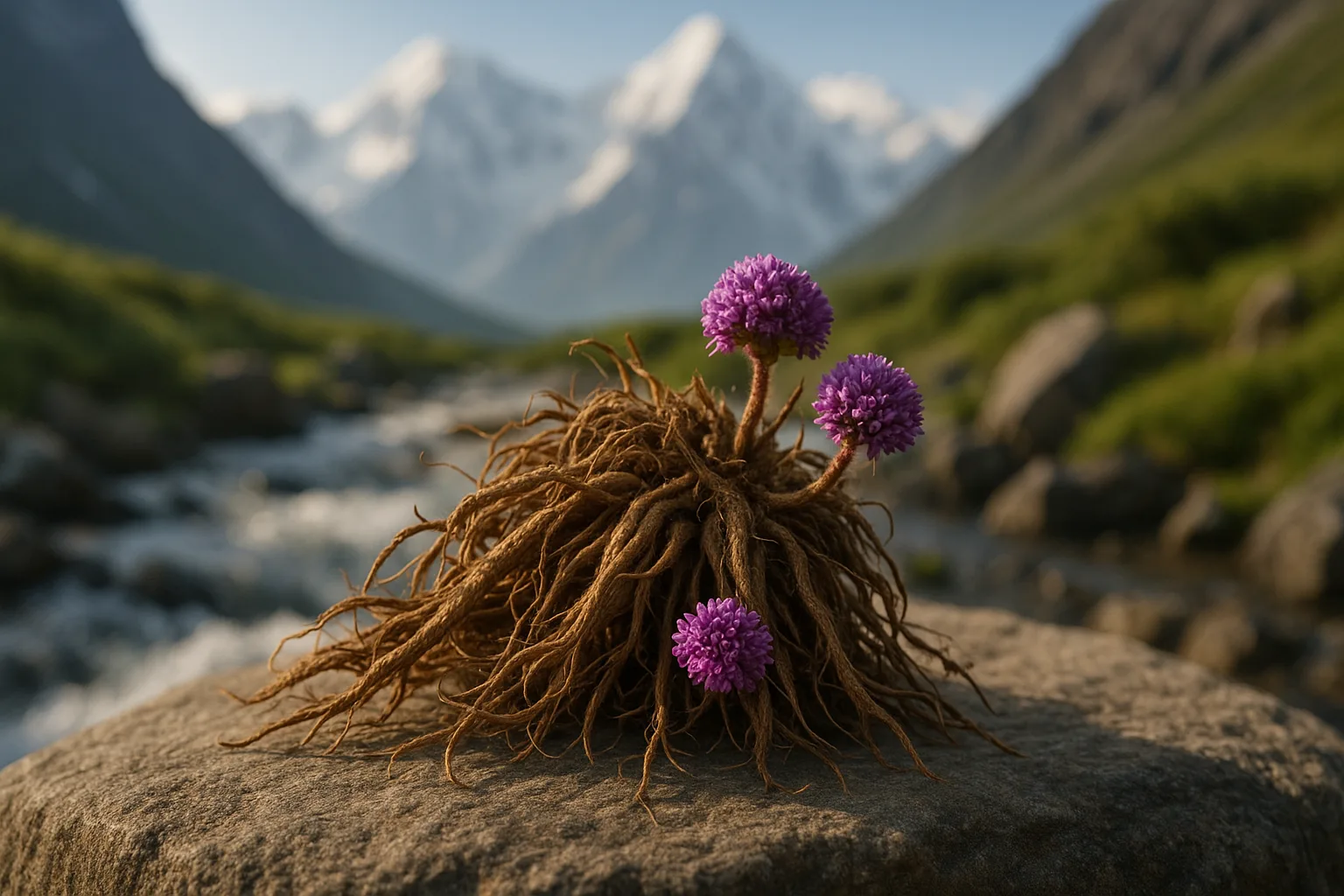
Jatamansi, or Nardostachys jatamansi, is a perennial Himalayan herb in the honeysuckle family, Caprifoliaceae. Kew’s current plant database accepts the species and places its native range from the Himalaya into western and central China and northern Myanmar. Its aromatic rhizomes and roots have a long history in Ayurvedic preparations.
That traditional reputation is useful context, but it should not be confused with proof that jatamansi works like a modern treatment for anxiety, insomnia, memory problems, or mood disorders.
Why Sourcing Matters
Jatamansi is also a conservation-sensitive plant, and international trade is regulated under CITES Appendix II. If you buy jatamansi, prefer a seller that clearly identifies Nardostachys jatamansi and provides meaningful sourcing or traceability information instead of relying on vague “Himalayan” marketing.
What Research Says About Jatamansi
Human Evidence Is Still Limited
A small 2015 clinical study of primary insomnia reported improvements in sleep measures with jatamansi powder. That is a useful signal, but one small study is not enough to establish jatamansi as a proven sleep treatment.
A 2025 clinical trial studied Jatamansi oil used in Shirodhara for psychological distress in people previously treated for triple-negative breast cancer. Because that intervention combined a specialized external oil procedure with other Ayurvedic treatment in a specific patient group, it should not be generalized to ordinary oral jatamansi use.
A separate 2025 randomized double-blind placebo-controlled study examined jatamansi as an add-on to escitalopram in major depressive disorder. That is human clinical research, but its condition-specific adjunctive design does not establish general mood or stress benefits for everyday use.
Most Mechanism Claims Come from Preclinical Research
Animal research has reported changes in GABA and monoamine signaling after jatamansi extract, along with behavioral effects in mice. Other laboratory and animal studies have explored antioxidant, anti-inflammatory, memory, and nervous-system effects. These findings can help explain why the herb is scientifically interesting, but they do not establish the same effects in people.
That limitation matters throughout this article: think of jatamansi as a traditionally used herb with early, condition-specific human research—not a substitute for evidence-based care for anxiety, insomnia, depression, memory problems, or other medical conditions.
Potential Jatamansi Benefits: Tradition vs Evidence
Stress and Calm
Calming use is one of jatamansi’s strongest traditional associations. Preclinical studies support plausible nervous-system effects, but there is not enough human evidence to call it a proven treatment for anxiety or everyday stress. If your goal is a calmer routine rather than an herbal experiment, try practices in our yoga and breathwork for stress relief guide.
Sleep
If you are considering jatamansi for sleep, this is the main area where the herb has at least some direct human research. The small 2015 insomnia study is encouraging, but it does not establish an ideal dose, long-term safety, or how well results generalize. Treat sleep claims as preliminary rather than guaranteed.
Nervous-System and Cognitive Claims
Research has explored GABA signaling, antioxidant activity, memory, and other neurological effects, but much of that work is in animals or laboratory models. That is not the same as showing better focus, memory, or emotional balance in everyday human use.
Hair and Skin
Jatamansi also appears in traditional hair and skin use. A 2011 preclinical hair-growth study reported activity from extracts and isolated compounds, but it was not a human trial and does not show that ordinary jatamansi oil will regrow hair. Evidence for skin benefits is similarly limited. For broader Ayurvedic skin-care ideas, see our Ayurvedic face care routine.
How Jatamansi Is Commonly Used
Common jatamansi uses are often discussed by form—powder, tea, capsules, oil, and blends—but a preparation method does not equal proven benefit. Product strength and preparation can vary, so this article does not provide a universal dose or timing schedule.
Powder (Churna)
Traditional preparations often use the dried root or rhizome as powder. If you choose an ingestible product, follow its labeled directions rather than borrowing a dose from another preparation.
Tea or Infusion
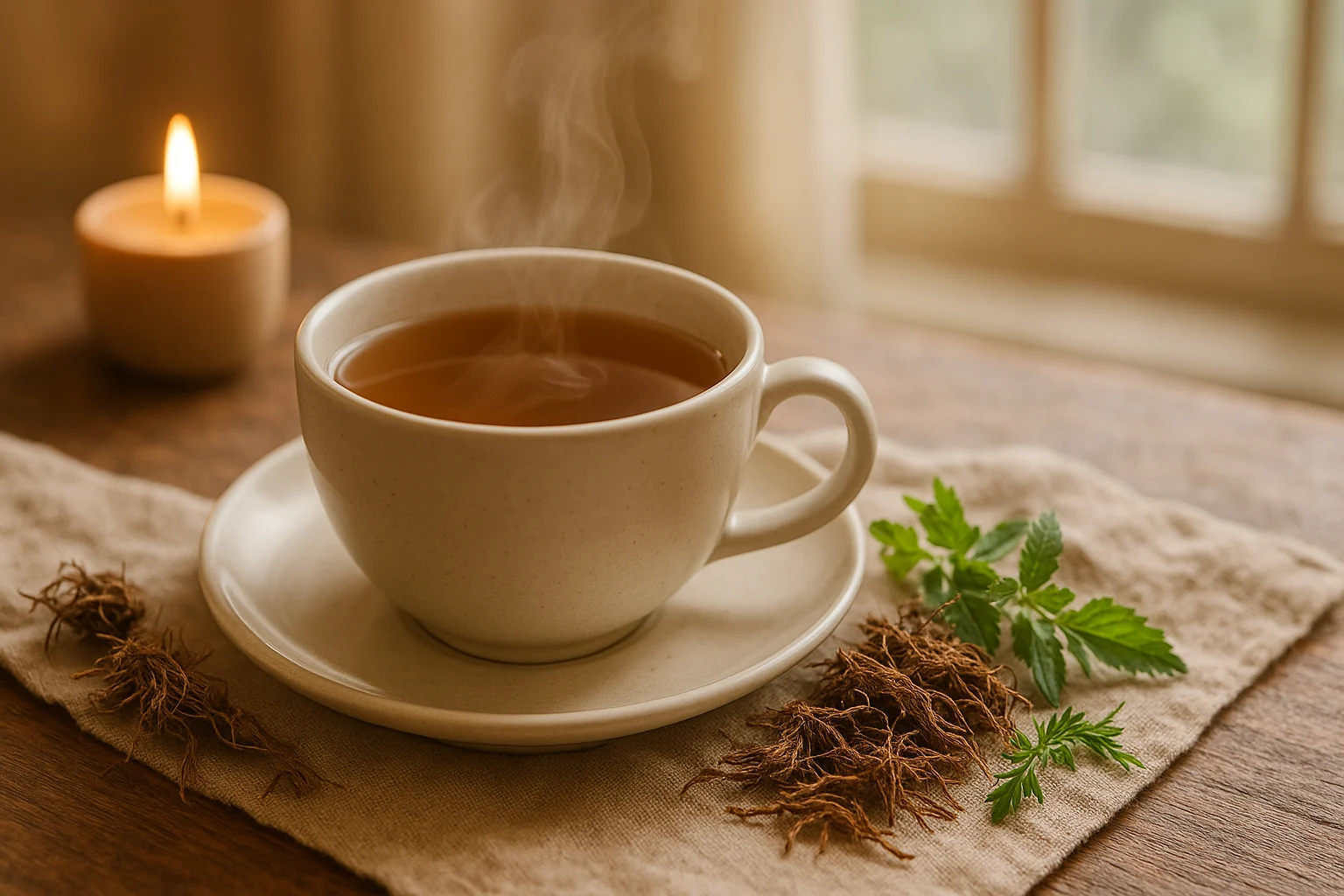
Dried root or powder is also sold for tea-like preparations. Strength can vary substantially, so treat package directions as product-specific guidance rather than an evidence-based therapeutic dose.
Capsules
Capsules make the amount easier to identify from the label, but they do not solve the larger evidence gap around long-term use, interactions, or who should avoid the herb.
Oil
Jatamansi oil is used aromatically and in topical Ayurvedic practices. Do not assume results from a specialized oil procedure such as Shirodhara apply to casual diffusion, temple massage, or oral use.
Ayurvedic Blends
Jatamansi may appear alongside other calming Ayurvedic herbs such as ashwagandha or brahmi. If you are comparing stress relief herbs, the same evidence rule applies: combining traditional reputations does not make a blend safer or more effective.
Practical rule: For ingestible jatamansi, use a clearly identified product, follow its label, and ask a qualified clinician or pharmacist when medications, pregnancy, breastfeeding, or health conditions are part of the picture.
Safety Tips for Jatamansi
Reliable human data on jatamansi side effects, interactions, and long-term use are limited, so caution matters more than a long list of unsupported rules.
- Medication and health conditions: Ask a clinician or pharmacist before ingestible use if you take medicines or manage a medical condition. Limited interaction data do not mean “no interactions.”
- Pregnancy and breastfeeding: Do not self-prescribe an ingestible jatamansi product when safety data are insufficient; discuss it with your obstetric or other qualified clinician.
- Product directions: Strength varies by form and manufacturer. Follow the specific label rather than a dose copied from tea, powder, or a research preparation.
- Unexpected effects: Stop using it and seek appropriate medical advice if you develop a concerning reaction or excessive sedation.
- Product identity and sourcing: Choose products that clearly identify Nardostachys jatamansi and provide transparent quality, testing, and sourcing information.
If you’d rather start with a movement-based morning practice, the free 10-minute chair-yoga routine is designed for stiff mornings.
Get the 10-Minute Chair Yoga Routine
Confirm to get the routine and yoga tips. Unsubscribe anytime.
Something went wrong. Please check your email address and try again.
Common Questions About Jatamansi
What Jatamansi Can—and Can’t—Promise
Jatamansi has a real Ayurvedic tradition and some early research, but the evidence is uneven. The clearest direct human sleep signal discussed here is a small insomnia study; newer mood research comes from condition-specific clinical treatment settings, while many everyday stress, cognition, hair, and mechanism claims remain preliminary or preclinical. That makes jatamansi something to approach with curiosity rather than certainty.
If you choose to explore it, start with three checks: a clearly identified product with transparent sourcing, label-specific directions, and professional guidance when medications, pregnancy, breastfeeding, or health conditions are relevant. If calm is the real goal rather than the herb itself, a non-herbal next step is our mindfulness guide to stress relief.