
Yoga Anatomy by Leslie Kaminoff and Amy Matthews is an illustrated reference, not a step-by-step pose manual. The Third Edition connects breathing, the spine, joints, muscles, the nervous system, and pose variations to explain why the same cue or shape may work differently from one body to another.
That makes it a strong fit for teachers, trainees, and curious practitioners looking for a yoga anatomy book they can revisit—not just a quick pose guide. If you mainly want quick beginner instructions or a muscle-by-muscle atlas, another anatomy book is likely a better first choice. This review covers what the Third Edition includes, who should buy it, who should skip it, and how it compares with a muscle-focused alternative.
This page contains an Amazon affiliate link. As an Amazon Associate, I earn from qualifying purchases. You pay no extra cost. Learn more.
Table of Contents
- What Yoga Anatomy Covers
- Standout Features
- Book Fit Check
- Breath, Spine, and Muscles
- Who Should Buy—or Skip—It?
- How It Compares
- How to Use the Book
What Yoga Anatomy Covers
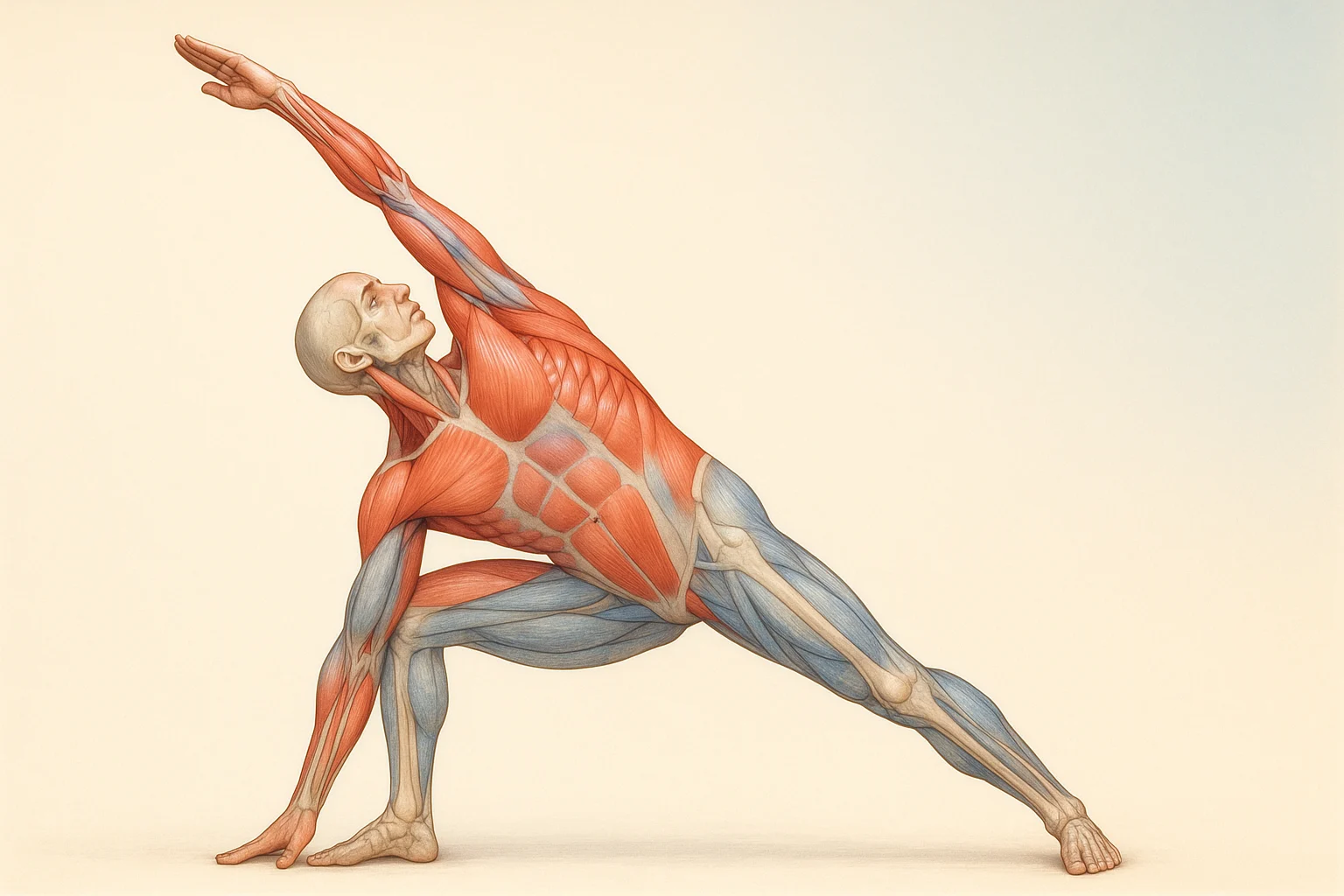
The Third Edition starts with anatomy foundations—the skeletal, muscular, and nervous systems—then gives substantial attention to the spine and breathing before moving through pose families such as standing, sitting, kneeling, supine, prone, and arm-support poses. That structure makes it useful when you want to understand a pose from the inside out instead of memorizing one “correct” shape.
Its strongest distinction is the way it connects the body’s anatomy to yoga movement choices. The book does not stop at naming muscles; it links breathing, spinal mechanics, joints, nervous-system context, and pose variations so you can think about why a cue may need to change from one body or pose to another.
That broader lens also makes it denser than a quick pose guide. If your main goal is “show me the pose and tell me what to do,” this may be more reference material than you need. For a separate look at practical cueing and positioning, see our yoga alignment principles guide.
Standout Features of the Third Edition
The Third Edition is more than a collection of pose illustrations. Its most useful upgrades make the book easier to use as a reference while broadening the anatomy beyond muscles alone.
Full-Color Visuals and Quick-Reference Cues
Detailed anatomical illustrations sit alongside pose icons and cueing callouts, so you can connect a written explanation with the body position being discussed without treating the image as a universal “perfect” shape.
More Depth on Breathing and the Spine
The breathing and spine chapters were significantly expanded for the Third Edition. That makes the book especially useful if you want to understand how breathing, spinal position, and movement influence one another rather than studying muscles in isolation.
A Dedicated Nervous-System Chapter
The Third Edition adds a nervous-system chapter before the pose sections. It gives the later movement discussions a broader context than a purely musculoskeletal atlas.
Pose Families Instead of a Random Pose List
Asanas are organized into standing, sitting, kneeling, supine, prone, and arm-support groups. Each group becomes easier to revisit when you are comparing related shapes or looking up how breathing and joint actions change across poses.
Is Yoga Anatomy a Good Fit for You?
Answer three quick questions about what you want from an anatomy book. You’ll get a fit verdict and the most useful section to read next.
What Yoga Anatomy Teaches About Breath, Spine, and Muscles
If you are studying anatomy for yoga rather than anatomy in the abstract, the book becomes more useful when you treat it as a way to ask better questions, not as a set of rigid alignment rules.
Breathing Changes the Shape of Movement
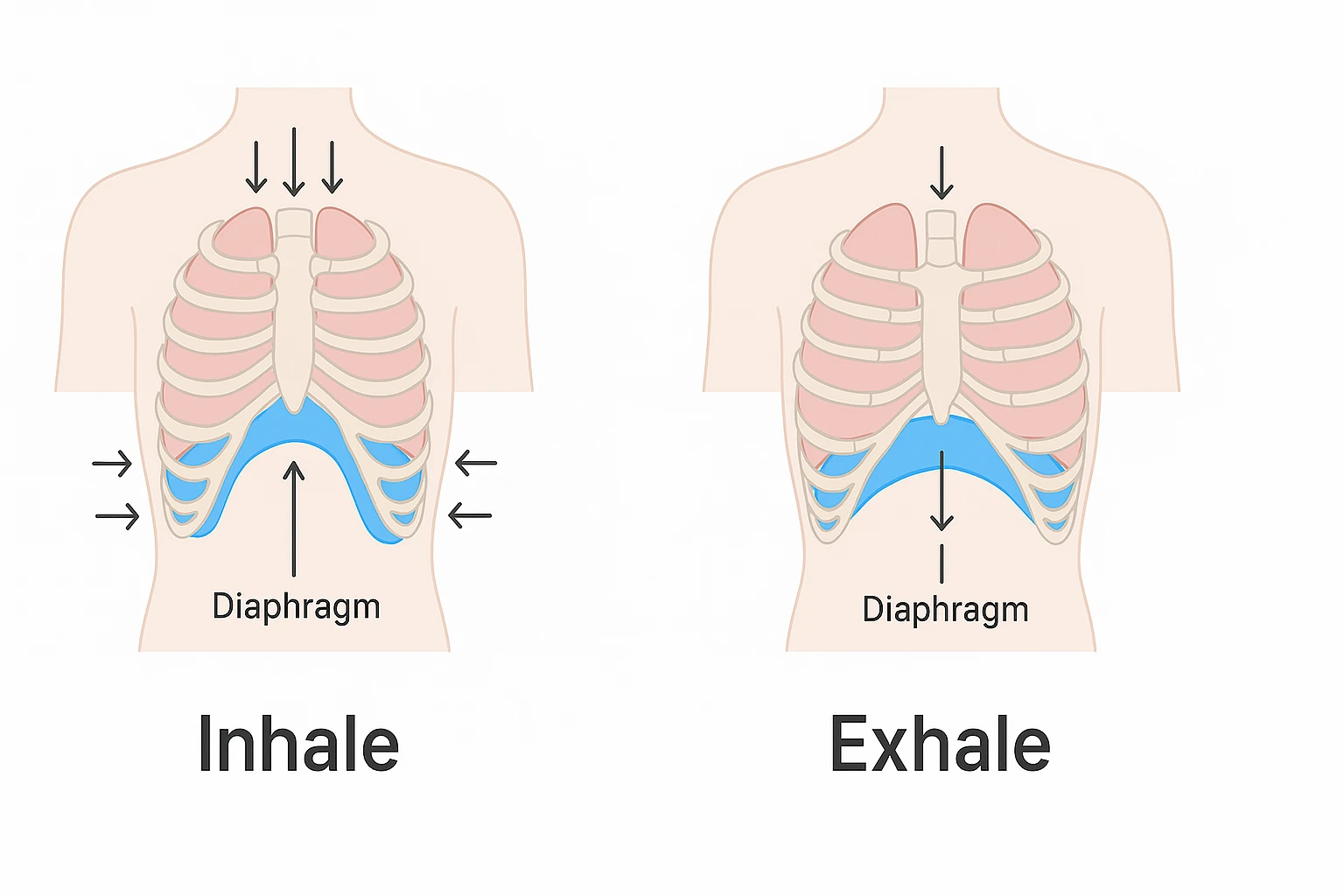
The breathing material looks at the diaphragm, rib cage, abdominal contents, and spine as a connected system. The practical takeaway is not a fixed inhale/exhale command for every pose, but noticing how breathing changes pressure, effort, and available movement. If you want a separate beginner practice focused on breathing, see our beginner breathwork guide.
Spinal Movement Is Context-Dependent
Flexion, extension, side-bending, and rotation do not happen in isolation from the rest of the body. Position, load, nearby joints, and the individual reader’s structure all affect what a movement feels like, which is one reason blanket alignment rules can be misleading.
Muscles Work in Relationships
Agonists create a movement, antagonists oppose or control it, and synergists assist or stabilize. That language is useful because it shifts attention away from “one muscle does one thing” and toward how groups of tissues cooperate in a pose.
Anatomy explains the physical mechanics of a pose; it does not explain yoga’s broader philosophical framework. For that wider context, use our yoga philosophy guide.
Who Should Buy Yoga Anatomy—and Who Should Skip It
This is a better fit decision than asking whether the book is simply “good.” Its value depends on how you expect to use it.
Best Fit: Teachers and Teacher Trainees
The cueing callouts, anatomy foundations, indexes, and pose-by-pose illustrations make sense for readers who expect to revisit the book while studying movement or planning how to explain a pose.
Good Fit: Dedicated Practitioners Who Like Reference Books
If you regularly wonder why a cue works in one body but not another, the combination of breathing, spine, joints, muscles, and pose variation gives you useful material to return to over time.
Skip It if You Mainly Want Quick Beginner Pose Instructions
This is not a short “do these poses in this order” guide. A beginner can use it, but readers who want simple setup cues and ready-made sequences may find the anatomy depth slows them down.
Consider a Different Anatomy Book if Muscles Are Your Main Focus
If your first question is which specific muscles act as agonists, antagonists, and synergists in each pose, a muscle-centered reference such as Ray Long’s The Key Muscles of Yoga may match that job more directly.
How Yoga Anatomy Compares with The Key Muscles of Yoga
Ray Long’s The Key Muscles of Yoga is explicitly organized around major muscles, tendons, ligaments, and the agonist/antagonist/synergist relationships used in poses. Kaminoff and Matthews take a broader route through skeletal and muscular anatomy, the nervous system, the spine, breathing, and grouped pose families. Choose Yoga Anatomy if you want that wider movement-and-breath reference; consider Long if a muscle-by-muscle functional anatomy guide is the clearer match.
Yoga Anatomy, Third Edition — Paperback
Choose it if you want the full illustrated reference beside your mat or study notes and expect to return to its explanations of poses, breathing, and movement.
How to Use Yoga Anatomy Without Overthinking It
You do not need to read the book cover to cover before it becomes useful. A question-first approach keeps the anatomy connected to practice.
- Start with one familiar pose: Look up a shape you already practice so the anatomy has something concrete to attach to.
- Trace one question at a time: Follow the joint, muscle, spine, or breathing detail that explains what you are noticing instead of trying to memorize a whole chapter.
- Treat cueing as context, not law: Use the explanations to understand options and trade-offs rather than chasing one universal shape.
- Compare variations: Notice what changes when stance, support, or range changes, especially when a familiar cue does not feel useful.
- Use the indexes: Return to the joint and muscle indexes when you want to compare the same structure across several poses.
- Escalate pain questions appropriately: A book can improve your vocabulary and awareness, but persistent or sharp pain belongs with a qualified healthcare professional.
Questions Before You Buy Yoga Anatomy
Is Yoga Anatomy Worth It?
If you want to understand the reasoning behind breathing, spinal movement, joint interactions, muscles, and pose variation, Yoga Anatomy is a strong reference to keep returning to. If you mainly want fast beginner instructions or a muscle-by-muscle atlas, skip it and choose a book built for that job. The best use of Kaminoff and Matthews is not to chase one perfect shape, but to ask better questions about what your body is doing in a pose.
If this review made it clear you want simple practice rather than more anatomy study, start with a short chair-yoga session for stiff mornings.
Get the 10-Minute Chair Yoga Routine
Confirm to get the routine and yoga tips. Unsubscribe anytime.
Something went wrong. Please check your email address and try again.