Silent yoga retreats are not all equally silent. Some pause ordinary conversation almost completely; others keep structured Q&A, teacher meetings, or limited check-ins alongside meditation and yoga. The right starting point depends less on how strict a retreat sounds and more on how its rules match your experience with quiet.
Before you book, check three things: how strict the silence is, how much guidance remains, and what support exists if the quiet feels harder than expected. This guide explains the common formats, what to expect, how to prepare, and how to choose a sensible starting point. For the broader booking picture, see our yoga retreat guide.
Table of Contents
- Before You Book a Silent Retreat
- What Are Silent Yoga Retreats?
- What Silence May Change in Your Practice
- What to Expect at a Silent Yoga Retreat
- Choose Your Silent Retreat Starting Point
- Retreat Formats & Who They Fit
- Is a Silent Yoga Retreat Right for You?
- Where to Look for Silent Retreats
- Preparing for Your First Silent Yoga Retreat
- Frequently Asked Questions
- Start with the Right Amount of Silence
Before You Book a Silent Retreat
- Silence rules vary: Check the center’s policy on talking, teacher meetings, devices, reading, journaling, eye contact, and emergencies before you book.
- Quiet is not automatically calming: Some people find it clarifying; others find extended silence tiring, restless, or emotionally demanding.
- You can start smaller: A shorter or partially silent retreat can be a better first experiment than choosing the strictest format.
- Support matters: A clear schedule, access to teachers or staff, and an understood emergency process are part of choosing a retreat—not extras.
- Preparation is practical: Practice a little silence at home, confirm what the center provides, and plan how loved ones can reach you if needed.
What Are Silent Yoga Retreats?
A silent yoga retreat is a dedicated period in which ordinary conversation is reduced or paused so attention can stay on meditation, movement, rest, and the retreat schedule. The exact boundaries vary. Some programs hold near-continuous silence, while others allow structured Q&A, teacher meetings, or limited check-ins. Policies on devices, eye contact, gestures, reading, and journaling can differ too.
Meditation Traditions You May Encounter
Many silent retreats draw on Buddhist Vipassana, Insight, or Zen traditions. A silent meditation retreat may be meditation-first and include little or no yoga, while other programs pair silence with asana or mindful movement. If daily yoga matters to you, check the schedule rather than relying on the label. Spirit Rock Meditation Center, for example, lists multi-day silent residential retreats built around sitting and walking meditation, Dharma talks, mindful meals, and teacher guidance.
A Sample Daily Rhythm
There is no universal schedule. A yoga-centered retreat may include more movement, while a meditation center may emphasize sitting and walking practice. A day could look something like this:
| Part of Day | Possible Activity | What to Expect |
|---|---|---|
| Early morning | Sitting meditation or breath practice | A quiet start before breakfast |
| Morning | Yoga or mindful movement | Movement with fewer social distractions |
| Meals | Silent or mostly silent eating | Follow the center’s communication rules |
| Late morning | Sitting, walking meditation, or instruction | Longer periods of focused practice |
| Afternoon | Rest, nature time, or gentle movement | More unstructured quiet |
| Late afternoon | Teacher talk, Q&A, or practice meeting | Guidance where the format allows it |
| Evening | Meditation, gentle yoga, or reflection | A quieter close to the day |
What Silence May Change in Your Practice
Claims about silent retreat benefits can blur the effects of silence with the effects of meditation or mindfulness. Silence changes the conditions around practice more reliably than it changes the person practicing. With fewer conversations, screens, and social cues competing for attention, breath, sensations, and thought patterns can become easier to notice. That can feel calming, but it can also make restlessness or strong feelings more obvious.
Attention Has Fewer Places to Go
When there is less incoming stimulation, small details can stand out more clearly. You may notice:
- breath and pacing: whether you rush, hold your breath, or settle into a steadier rhythm,
- sensory detail: sounds, textures, temperature, and the physical feel of a pose,
- attention habits: how often your mind reaches for a phone, conversation, planning, or distraction.
Yoga and Meditation Can Feel More Deliberate
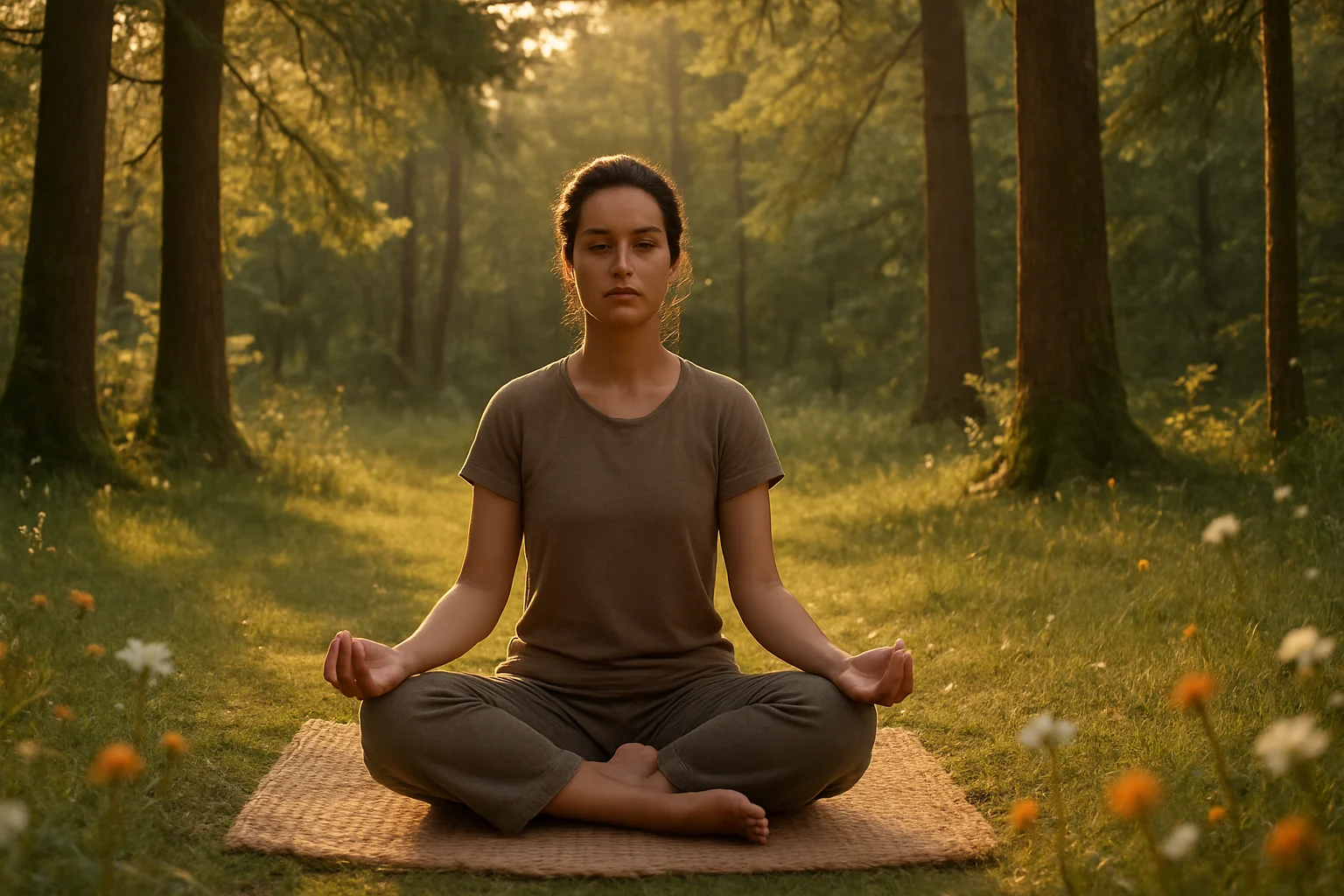
Without much conversation before and after practice, movement can feel less performative and more observational. That does not make the practice automatically deeper; it simply gives you a quieter setting in which to notice breath, effort, balance, and the instructions you are following.
Quiet Can Be Uncomfortable as Well as Calming
Research on meditation and mindfulness—not silence by itself—suggests possible benefits for stress, anxiety, and sleep, but results vary by practice and study quality. NCCIH also notes that negative experiences can occur. Treat retreat benefits as possibilities, not promises, and use the center’s support options if the experience becomes difficult to manage.
What to Expect at a Silent Yoga Retreat
A silent retreat is structured time, not simply a vacation where nobody talks. Knowing the rules and support system beforehand removes a lot of unnecessary uncertainty.
Silent Retreat Rules Vary by Center
- ordinary conversation: Usually limited or paused for defined periods.
- teacher contact: Some retreats still allow Q&A, practice meetings, or scheduled check-ins.
- devices: Phones and laptops may be discouraged, stored away, or restricted to emergencies.
- reading and journaling: Some programs allow them and others ask you to pause them.
- eye contact and gestures: These may be discouraged in stricter formats, but they are not universal rules.
The Quiet May Feel Hard Before It Feels Useful
The first stretch can include boredom, restlessness, the urge to reach for your phone, unexpected emotion, or simply noticing physical discomfort more clearly. None of those reactions means you are doing the retreat incorrectly. Adjust your posture or activity when needed, and use teacher or staff support rather than treating distress or pain as something to push through.
Check the Support Plan Before You Book
Ask how participants contact a teacher or staff member, what happens if you become unwell or emotionally overwhelmed, how emergencies from home reach you, and whether you can step out of a session or leave early if needed. A silence policy should never make the support process mysterious. Once those basics are clear, you can decide how much silence makes sense for a first try.
Choose Your Silent Retreat Starting Point
Answer three quick questions about your experience with silence and the amount of structure you prefer. This is a starting-point guide, not a test you can pass or fail.
Question 1 of 3
Question 1 of 3
Question 2 of 3
Question 3 of 3
Quiet Yoga Retreats: Formats & Who They Fit
The useful distinction is not which label sounds more spiritual. It is how much ordinary conversation is removed, how much guidance remains, and what kind of practice fills the day.
Full Silence (Noble Silence)
Full-silence retreats limit ordinary conversation for most or all of the program, although teacher meetings or structured Q&A may still be allowed. Spirit Rock lists multi-day silent residential retreats that are silent except for defined practice meetings or teacher-led sessions, and some programs include yoga or mindful movement.
Partial or Structured Silence
These retreats protect substantial quiet while keeping more defined opportunities for guidance or communication. Kripalu’s Silent Retreat, for example, holds silence throughout the retreat except for structured short lectures and Q&A alongside guided mindful movement and other practices.
Meditative Retreats with a Theme
Some meditative retreats build silence around a specific practice such as Zen study, yoga and meditation, nature-based practice, or yin yoga. This can work well if you want quiet to support a clear practice rather than making silence the only feature of the retreat.
Is a Silent Yoga Retreat Right for You?
A full-silence retreat is more likely to fit when you are willing to spend long stretches without casual conversation, can follow a structured practice schedule, and are comfortable asking for help through the retreat’s permitted channels.
A shorter or partially silent format may be a more sensible starting point if extended quiet is completely new, you rely on regular conversation to feel grounded, or you are unsure how you respond when distractions fall away. The checker above is useful for choosing a starting format, not for proving that you are “ready.”
If you are hoping a retreat will treat a medical or mental-health condition, or you are currently in significant distress, talk with a qualified professional and the retreat organizer about whether the setting and support available are appropriate for you.
If you are not ready to book yet and want a smaller practice to try first, a short chair-yoga sequence can give you a simple structure for one quiet morning at home.
Get the 10-Minute Chair Yoga Routine
Confirm to get the routine and yoga tips. Unsubscribe anytime.
Something went wrong. Please check your email address and try again.
Where to Look for Silent Retreats
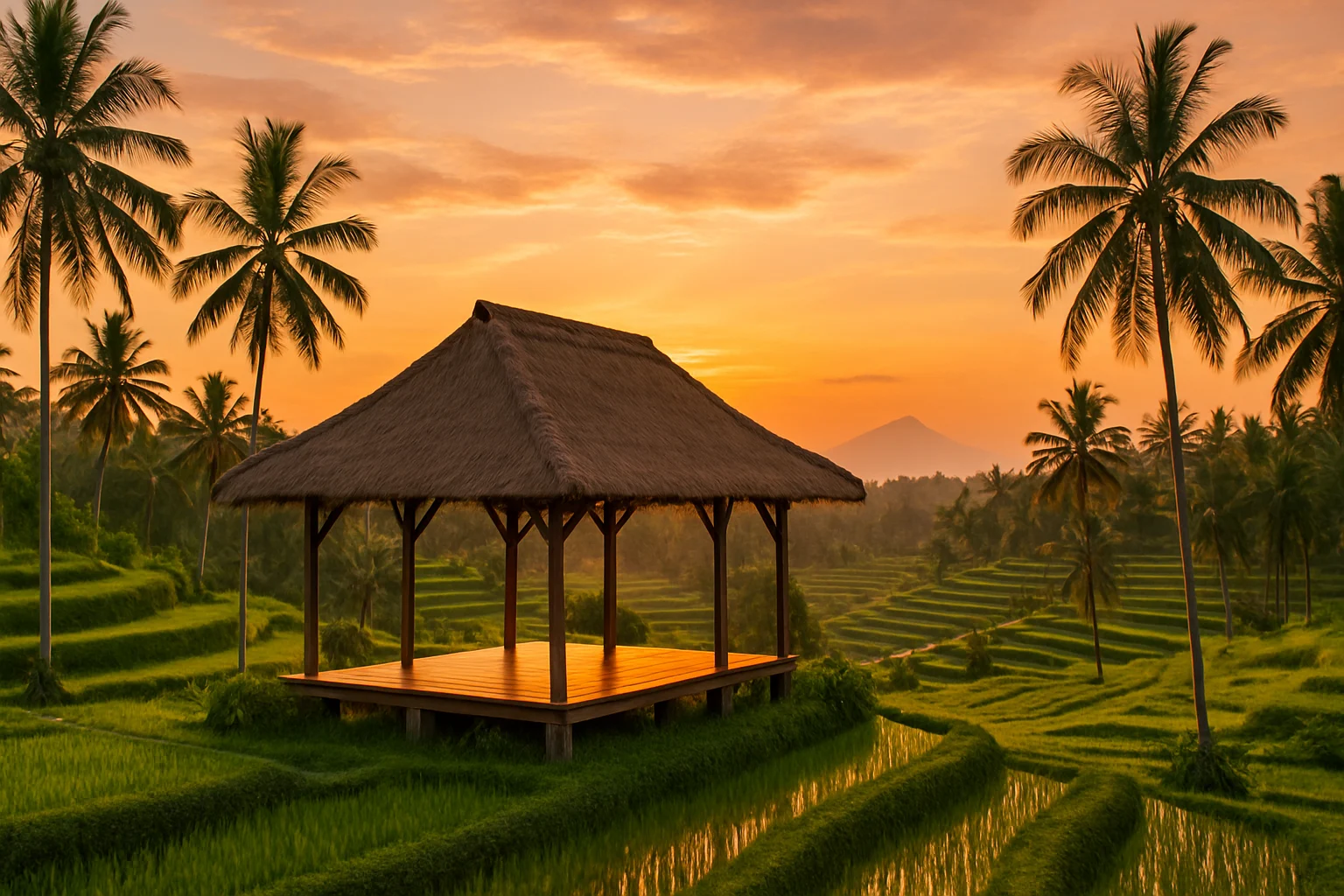
Compare programs by format first and destination second. Spirit Rock in Northern California lists multi-day silent meditation retreats; Kripalu in Massachusetts offers a structured Silent Retreat with mindful movement and defined teaching periods; and The Yoga Barn’s Yogi’s Garden near Ubud lists short silent meditation retreats that include meditation and yoga. Dates, prerequisites, and formats change, so check the current program page before booking.
Preparing for Your First Silent Yoga Retreat
Preparation is mostly about reducing surprises. You do not need to rehearse being perfectly silent; you need enough familiarity with quiet, the schedule, and the support process to arrive knowing what you signed up for.
Choose a Concrete Intention
Pick one simple reason for going: more consistent meditation, a break from constant input, or time to practice without the usual social rhythm. A concrete intention is more useful than expecting the retreat to “fix” how you feel.
Practice a Smaller Dose of Quiet at Home
- try a device-free hour: Notice what you reach for when the usual distraction is unavailable.
- eat one meal quietly: See whether silence feels spacious, awkward, or simply unfamiliar.
- take a silent walk: Leave the headphones off and notice how your attention behaves.
Check the Packing List Before You Buy or Bring Extras
Retreat centers differ in what they provide and what they allow. Confirm clothing needs, bedding or towels, meditation props, a water bottle, toiletries, medication storage, and whether a journal is permitted. Bring warm layers if the location or season calls for them rather than packing from a generic retreat list.
Plan Communication Before You Disconnect
Give loved ones the retreat’s emergency contact details and make sure you understand how staff will reach you if something urgent happens at home.
Know How to Ask for Help
Find out who you speak to if physical discomfort, anxiety, or another problem becomes hard to manage. Silence is part of the practice; it is not a rule that prevents you from getting appropriate help.
Frequently Asked Questions
Start with the Right Amount of Silence
You do not have to choose the strictest retreat to make quiet useful. Pick the format whose rules, guidance, and support you understand, then use your own response to that experience as information for the next one. Once you know the level of silence you want, our yoga retreat planning guide can help with the practical booking and logistics questions.
Silent retreats can be physically and emotionally demanding. If you have a medical or mental-health condition, are in significant distress, or are unsure whether extended silence is appropriate for you, ask a qualified professional and the retreat organizer about the support available before you book.