A retreat can look perfect in photos and still be wrong for your body, budget, or idea of rest. Good yoga retreat planning starts before you compare destinations: decide what you need from the retreat, what you can spend, and what would make the schedule feel sustainable. If you’re still exploring retreat types and destinations, start with the yoga retreat guide.
This page is the decision framework. My shortcut is simple: choose the retreat, not just the scenery. A beautiful location cannot rescue a retreat that is too intense, too packed, or missing the downtime you came for. Work through the seven steps below, then use the retreat fit checklist before you pay a deposit.
Use the Retreat Fit ChecklistThis post contains affiliate links. If you purchase through them, we may earn a commission at no extra cost to you. As an Amazon Associate, I earn from qualifying purchases. Learn more.
Table of Contents
- Define What You Want From the Retreat
- Choose a Location That Fits Your Trip
- Match the Yoga Style and Daily Rhythm
- Build the Full Trip Budget
- Check Accommodation and Amenities
- What to Pack — and What’s Provided
- Decide What You Want Beyond Yoga
- Research the Organizer and Booking Terms
- Retreat Fit Checklist
- Yoga Retreat Planning FAQ
- Choose the Retreat That Fits Your Priorities
Step 1: Define What You Want From the Retreat
Before you shortlist destinations, finish one sentence: “I want this retreat to help me ___.” Then add one non-negotiable and one deal-breaker. Those three lines give you a filter for every listing you open, so a beautiful property does not distract you from the reason you are going.
Here are common motivations to consider:
- Deep Relaxation & Stress Relief: You need genuine downtime. Prioritize a lighter schedule, gentle or restorative options, and enough unscheduled time to rest. If you want simple practices you can use before or after the trip, see these yoga for stress relief techniques.
- Skill Development: You want focused practice, technique feedback, or more time with a particular style. Look for enough teaching time, clear level expectations, and opportunities to ask questions.
- Wellness Focus: You want more rest and supportive routines. Compare the meal format, protected downtime, and any treatments or workshops; do not assume a “wellness” label means the retreat is gentle.
- Adventure & Exploration: You want movement beyond yoga. Check whether hiking, surfing, or excursions are included, optional, or layered on top of the daily classes so the retreat still fits your energy.
- Self-Discovery: You want reflection. Look for protected quiet time and specific practices such as meditation, journaling, breathwork, or silence rather than vague promises of transformation.
- Community: You want connection. Check group size, shared meals or activities, whether solo travelers are common, and how much of the schedule is shared versus optional.
Once you clarify your intention, filter the schedule—not just the retreat label. If relaxation is your goal, a retreat built around demanding morning and evening sessions may be a poor fit; if skill-building is the goal, look for enough teaching time and feedback to justify the trip.
Step 2: Choose a Location That Fits Your Trip
Now choose settings you can realistically reach and enjoy. Think about travel time, jet lag, climate, local transport, language, and how much energy you want to spend getting there. These filters help you choose a yoga retreat that fits the trip around the practice—not just the photos.
Domestic vs. International Retreats
- Nearby/Domestic: Less travel can make a short retreat easier to fit around work or family. Compare door-to-door travel time, transport, and whether you want a familiar setting or a bigger change of scene.
- International (Far Away): A bigger change of setting can be part of the appeal. The trade-off is more travel time and logistics, so check transfers and the entry requirements that apply to your nationality and destination before you book.
Shortlist two or three regions before you fall in love with one property. That makes it easier to compare the retreat itself instead of rationalizing a destination you already want. For a worked example of how regions inside one country differ, see how we compare yoga retreats across Portugal.
Climate and Environment Considerations
- Beach/Coastal: Compare heat, humidity, shade, wind, and how easy it is to reach the water and practice space.
- Mountains/Forests: Check altitude, temperature swings, terrain, walking distances, and transfer time.
- Desert: Check daytime heat, cool nights, shade, water access, and remoteness.
- Countryside: Check transport, walking distances, noise, and whether meals or shops are nearby.
- Urban: Check street noise, travel between lodging and classes, and access to shops or services.
Navigating Cultural Differences
For international retreats, research local customs—like dress codes at temples or basic phrases—to feel confident. Use current official guidance for passport, visa, and health requirements; the IATA Travel Centre is a useful starting point for itinerary-specific requirements. Platforms like BookYogaRetreats can help you compare retreat listings and organizer details.
Step 3: Match the Yoga Style and Daily Rhythm
Style matters, but the daily rhythm matters more than the label. Ask for a sample schedule and check how many sessions are expected, how long they run, whether classes are optional, what experience level they assume, and how much unscheduled time is protected. Then use the style guide below to see whether the practice itself matches your goals.
| Style | Typical intensity | Common focus | Often suits |
|---|---|---|---|
| Hatha | Low | Foundational poses, breathwork, meditation | Beginners, relaxation |
| Vinyasa | Moderate-High | Dynamic flow, breath-to-movement | Energizing practice |
| Ashtanga | High | Vigorous, fixed sequence | Experienced yogis |
| Restorative | Low | Prop-supported, deep relaxation | Stress relief |
| Yin | Low | Long-held stretches, flexibility | Meditative calm |
| Kundalini | Moderate | Chanting, breathwork, energy work | Spiritual growth |
| Aerial | Moderate | Hammock-supported stretches | Playful exploration |
| Acro | High | Partner-based, strength-building | Community, adventure |
Judge intensity from the schedule, not the brochure label. A retreat that offers Yin may still feel demanding if every day is packed; a Vinyasa retreat may be manageable if sessions are optional and recovery time is built in.
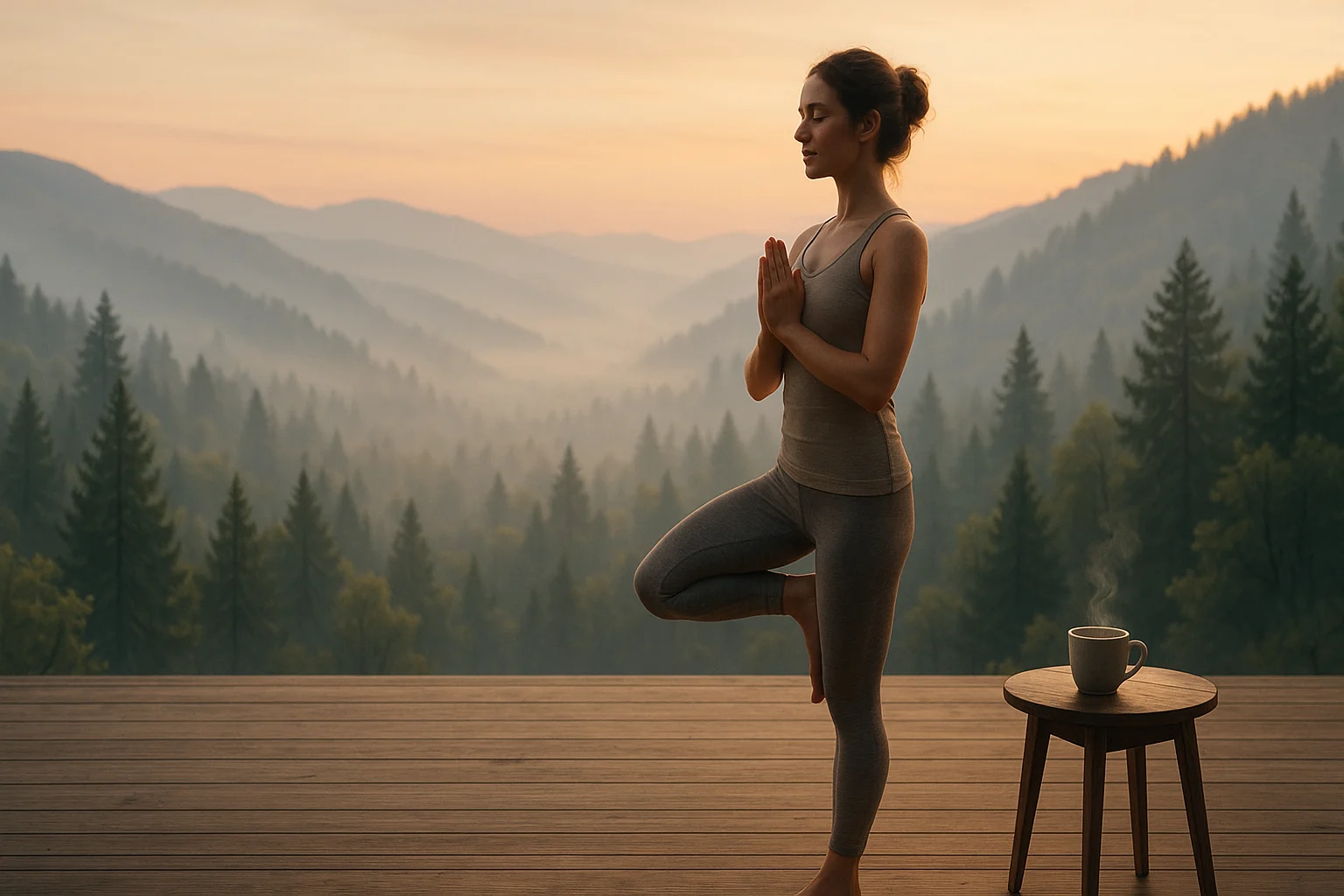
If stiffness is part of what you’re planning around, try the 10-minute chair routine before you compare retreat schedules. Use what you notice to ask more specific questions about pace, support, and modifications.
Get the 10-Minute Chair Yoga Routine
Confirm to get the routine and occasional Golden Buddha Yoga emails. Unsubscribe anytime.
Something went wrong. Please check your email address and try again.
Step 4: Build the Full Trip Budget
Retreat prices vary too much by destination, season, room type, length, and inclusions for one global range to be very useful. Compare the total trip cost, not just the retreat package: get current quotes for your dates, then add the travel pieces the package does not cover.
What’s Included (and Excluded)?
- Often included — verify: Accommodation, yoga classes, some or most meals, workshops, selected activities, and sometimes transfers.
- Often separate — verify: Travel to the destination, entry requirements, insurance, optional treatments or excursions, personal spending, and gratuities where appropriate.
Choose Your Comfort Level
- Simple/Shared: Prioritize a lower package cost, then confirm what that means for privacy, bathroom setup, and amenities.
- Comfort-Focused: Paying more can make sense when a private room, better sleep setup, climate control, or quieter downtime materially improves the stay for you.
- Luxury: Compare the exact extras included and pay for the ones you will actually use—not the label by itself.
| Budget Item | What to Check | Planning Move |
|---|---|---|
| Retreat Package | Room type, number of nights, meals, classes, workshops, and included activities | Use the live package price for your exact dates and room choice. |
| Travel to the Destination | Flights, trains, or other transport for your actual route and dates | Price the journey before comparing two retreats with similar package rates. |
| Transfers | Airport or station pickup, taxis, shuttles, ferries, or rental transport | Confirm what the retreat includes and what you must arrange yourself. |
| Travel Insurance | Cancellation, medical care, evacuation, destination, trip length, and planned activities | Compare current policy terms and exclusions rather than budgeting from a generic average. |
| Entry Requirements | Passport validity, visa or authorization requirements, and any applicable fees | Check current official requirements for your nationality and itinerary. |
| Optional Extras | Massages, excursions, private sessions, equipment rental, or special meals | Decide which extras matter before comparing the final totals. |
| Personal Spending | Local transport, drinks, souvenirs, and gratuities where appropriate | Set a personal buffer based on the destination and your travel style. |
| Total Trip Budget | Package + travel + requirements + extras | Add the current figures for your actual trip, then leave a contingency buffer. |
Step 5: Check Accommodation and Amenities
Accommodation affects more than comfort. Sleep, bathroom setup, stairs, walking distance to practice, and noise can shape the whole stay. Check the details you already know matter to your body, rest, and privacy.
Accommodation Types
- Shared Rooms: Social and often lower-cost. Confirm occupancy, bathroom setup, and quiet hours.
- Twin/Double: Confirm whether the room is for a companion or roommate and whether solo guests may be paired.
- Private Rooms: More privacy. Confirm whether the bathroom is private and what the upgrade includes.
- Glamping/Eco-Lodges: Check weather protection, bathroom access, temperature control, and walking distance.
- Luxury Villas: Treat “luxury” as a label to verify: compare the actual room, service, amenities, privacy, and location.
Key Amenities
- Yoga Shala: Check whether the space is indoors or outdoors, what props are available, and how far it is from your room.
- Meals: Confirm the meal schedule and any dietary accommodations you actually need.
- Physical Access: If stairs, steep paths, long walks, heat, seating, or rest breaks matter to you, ask before booking.
- Extras: Pools, gardens, treatments, or other amenities matter only if you expect to use them.
- Connectivity: Decide whether you need reliable Wi-Fi or specifically want time offline.
If Sustainability Matters to You
Look for specific practices—such as energy use, water management, food sourcing, waste, or local transport—rather than relying on an “eco” label by itself.
What to Pack — and What the Retreat Already Provides
Most retreats supply mats, blocks, straps, bolsters, and blankets, and many provide filtered water. Ask for the equipment list before you buy anything — it is the single question that saves the most money and luggage space. Bring your own only where it solves a real comfort, hygiene, or familiarity problem for you.
| Item | Usually provided? | Bring your own when |
|---|---|---|
| Yoga mat | Almost always | Hygiene matters to you, the venue mats are thin or worn, or you practise better on a familiar surface. This is the one item worth the luggage space for most people. |
| Blocks, straps, bolsters, blankets | Almost always | Rarely worth packing. Ask which props the shala stocks; if you rely on a specific height or firmness, ask before assuming. |
| Water bottle | Refill stations common, bottles less so | Nearly always worth bringing. An insulated bottle also handles long transfers and hot practice spaces. |
| Eye pillow or travel cushion | Sometimes for savasana | You sleep poorly in new places, or you want support for seated meditation that the venue may not stock. |
| Grippy socks | No | The practice space has hard or slippery floors, or you prefer not to be barefoot in a shared space. |
The mat is the one row above where “bring your own” is the common answer rather than the exception — and the reason people still don’t is that a rolled mat eats a carry-on. A folding mat is the way around that.
Everything else on the list above is worth confirming with the organizer first. A retreat that answers equipment questions clearly usually answers the important ones clearly too.
Step 6: Decide What You Want Beyond Yoga
When you’re planning wellness travel, decide how much of the retreat should be structured beyond the mat. Surfing, hiking, treatments, cooking classes, and excursions can add real value—but they can also turn a rest-focused retreat into another packed itinerary. If Ayurveda is part of the appeal, see what a yoga and Ayurveda center may include before you compare programs.
- Wellness add-ons: Massages, meditation, breathwork, Ayurveda workshops, Reiki, or sound baths. If a program also includes fasting or juice-only days, treat that as a separate fit question rather than assuming it is automatically part of a gentle wellness retreat.
- Adventure & nature: Hiking, surfing, kayaking, or wildlife viewing can be a good fit when activity is part of the reason you are going.
- Cultural & creative: Cooking classes, local excursions, markets, temples, painting, pottery, or dance can add context without turning every free block into another scheduled activity.
Step 7: Research the Organizer and Booking Terms
These yoga retreat tips matter most once your shortlist is down to two or three options. This is the due-diligence step: compare the organizer, what you are actually paying for, and the terms that apply if plans change.
Read Reviews
Use more than one review source and look for repeated themes: class intensity, room cleanliness, food, noise, transfer logistics, and how the team handled problems. Recent guest photos can reveal details that polished venue photos may not show.
Ask Questions
Contact organizers with queries like:
- What’s the daily schedule?
- How large is the retreat group, and how many people are usually in the main class?
- Who teaches the main classes, and what is their background in that style?
- What level are the classes designed for, and how are modifications handled?
- Can you accommodate dietary needs?
- What’s the cancellation policy?
- Is there Wi-Fi or a digital detox focus?
Good signs include specific answers to your questions, a sample schedule or menu when relevant, clear transfer information, transparent class-size expectations, and a clear explanation of who can help if you need a modification or have a problem during the retreat.
Cancellation & Insurance
Read the exact deposit, payment, cancellation, and refund terms for the retreat you are considering; policies can differ by organizer and booking method. For international trips, compare travel-insurance coverage and exclusions for cancellation, medical care, evacuation, your destination, and the activities you plan to do.
If you need private sessions, tailored meals, a specific modification, or extra rest, ask before booking rather than assuming it can be arranged. Once those answers are clear, use the checklist below to compare your shortlist on the same criteria.
Retreat Fit Checklist
Use this before you pay a deposit. For each retreat, mark every prompt yes, unclear, or no in your notes. Resolve every unclear must-have before booking; if a retreat fails a deal-breaker, rule it out.
Define your goal, must-have, and deal-breaker
Compare location and travel effort
Check the yoga style and daily rhythm
Build the complete trip budget
Check the room and amenities you need
Protect enough free time
Look for patterns across reviews
Get your unanswered questions in writing
Read the payment and cancellation terms
Do a final non-negotiables check
Yoga Retreat Planning FAQ
Start with the outcome you want, then compare the daily schedule, yoga level, location, room setup, total trip budget, and booking terms. Use reviews and direct questions to fill the gaps before you pay. A retreat fits when the important details agree with your priorities—not just when the destination looks appealing.
A good retreat is clear about who it is for, what the daily rhythm looks like, who is teaching, what is included, and how much downtime you will have. Consistent reviews and specific organizer answers are more useful than vague promises about transformation or luxury.
There is no single right amount. Ask for a sample schedule and check the number and length of sessions, which classes are optional, what experience level is expected, and how much rest time sits between activities. Choose the rhythm you can realistically enjoy for the full retreat.
Look for an explicit beginner or all-levels description, a schedule that does not assume advanced practice, and clear options for modifications or rest. If the listing is vague, ask the organizer what a first-time retreat guest should expect in the most demanding class on the schedule.
Confirm the exact room, package inclusions, daily schedule, transfers, dietary arrangements you need, deposit and balance dates, cancellation/refund terms, and any travel-document or insurance questions for your itinerary. Keep the important answers in writing so you can compare your shortlist on the same criteria.
There is no single useful global price because retreat length, destination, room type, season, and inclusions vary. Compare the current package price for your dates, then add travel, transfers, entry requirements, insurance, optional activities, and personal spending so you can compare the total trip cost on the same basis.
Choose the Retreat That Fits Your Priorities
The best retreat is not the prettiest listing; it is the one whose schedule, teaching level, room, total trip cost, logistics, and booking terms fit what you actually need. Before you pay, run your shortlist through the checklist and resolve any unanswered must-haves. If a retreat asks you to ignore one of your non-negotiables because the photos look perfect, keep looking.